
Low Testosterone Symptoms and Testing in Men
Low testosterone is diagnosed from symptoms and consistently low testosterone on appropriate testing, not from symptoms alone. This page covers the symptoms men bring to Hormone Balance Centers, other conditions that cause the same symptoms, and how testing works in Utah and Idaho.

What are the symptoms of low testosterone?
The symptoms Hormone Balance Centers evaluates include reduced libido, fatigue, brain fog, reduced strength, slower recovery, body composition changes, erectile concerns and mood changes.
- Reduced libido
- Fatigue
- Brain fog
- Reduced strength
- Slower recovery
- Changes in body composition
- Erectile concerns
- Mood changes
Symptoms are a starting point
None of these symptoms proves low testosterone on its own. They tell your clinician what to look into, and testing shows whether testosterone deficiency is actually the cause.
What else can cause low-T symptoms?
The same symptoms can come from sleep problems, thyroid conditions, medications, stress or metabolic issues. That is why symptoms alone are not enough to diagnose testosterone deficiency.
Sleep and stress
Sleep problems and stress can cause symptoms that overlap with low testosterone.
Thyroid and metabolic issues
Thyroid conditions and metabolic issues can also produce symptoms like the ones on this page.
Medications
Some medications can cause similar symptoms. Your medication list is part of the health intake.
How is low testosterone tested?
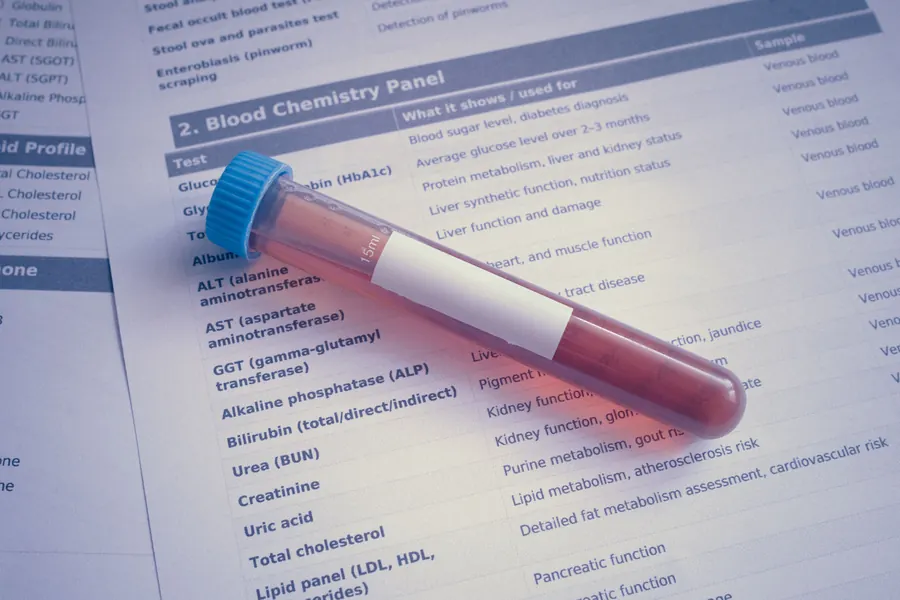
You complete a health intake and bloodwork before your first live video visit, so your clinician can review your results with you at that visit.
The intake covers your health history, medications, symptoms, goals and any previous treatment. Additional testing depends on your history and findings, including a repeat morning testosterone test when it is needed to establish the diagnosis.
The HBC Male HRT panel
- Total testosterone
- Estradiol
- Hemoglobin and hematocrit
- PSA
- Creatinine and eGFR
- GGT
Is one low testosterone result enough?
No. A diagnosis needs symptoms consistent with deficiency together with consistently low testosterone on appropriate testing.
A single low result does not guarantee treatment. When it is needed to establish the diagnosis, your clinician orders a repeat morning testosterone test before making a decision.
What happens after my low T test results come back?
Your clinician reviews your results with you at a live video visit, discusses risks and benefits, and talks through one of three paths.
Testing supports deficiency
If your symptoms and consistently low testosterone point to deficiency, your clinician discusses whether testosterone replacement therapy is appropriate for you.
Another condition fits better
If another condition explains your symptoms better, you discuss other next steps, which may mean evaluation or treatment for that condition instead.
Risks outweigh benefits
If the likely risks outweigh the likely benefits, testosterone is not prescribed and you discuss other options.
An evaluation does not guarantee a prescription. Clinicians make all diagnosis, prescribing and treatment decisions.
Questions about low testosterone testing
Why is bloodwork done before my first visit?
At Hormone Balance Centers, bloodwork comes before the initial live video visit, so your clinician can review your results with you during that visit.
Can poor sleep or stress cause the same symptoms as low testosterone?
Yes. Sleep problems, thyroid conditions, medications, stress and metabolic issues can all cause symptoms that look like low testosterone, which is why they are part of the evaluation.
What if my testosterone comes back normal?
If testing does not support testosterone deficiency, your clinician discusses other next steps with you instead of prescribing testosterone. That may include looking into another condition.
Does Hormone Balance Centers test low testosterone in Idaho as well as Utah?
Yes. The practice covers patients in Utah and Idaho through telehealth.
Not sure what is behind your symptoms?
You do not need to know which treatment you need before reaching out.